EN
EN



የእሳት የሚቋቋም የስራ በሽታ ለ EN ስታንዳርዶች ያለው ዓላማ ማወቅ
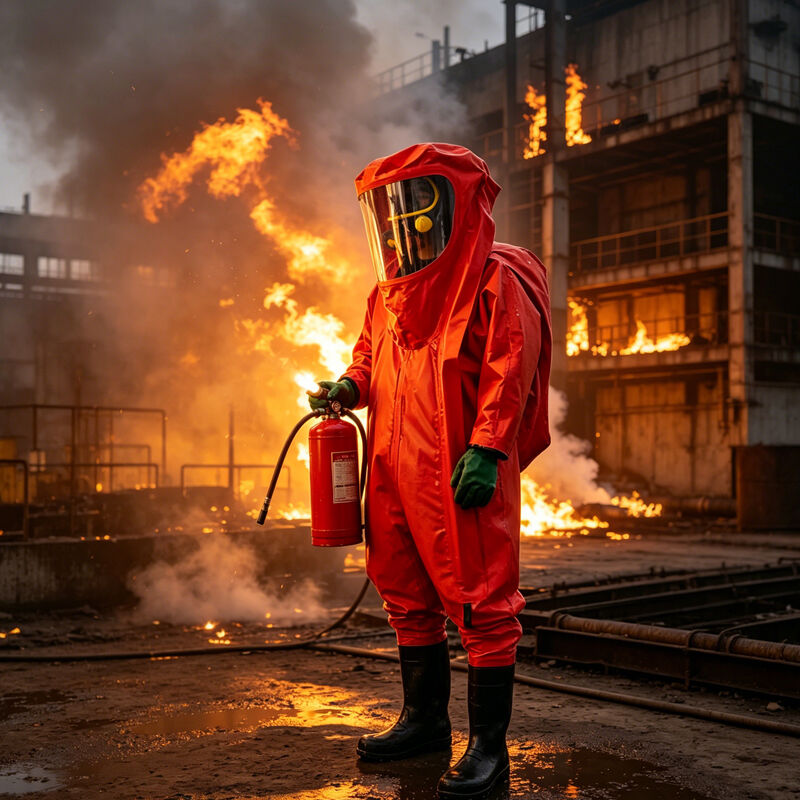
በወልዲንግ፣ በሜታሉርጂ፣ በፔትሮኬሚካል እና በስድብ የመገነባት ዘርፍ ያሉ ከፍተኛ አደጋ ያላቸው ኢንዱስትሪዎች ውስጥ የእሳት የተቃወም ስራ አለባበሻ ከእሳት፣ ከሙቀት እና ከሞላቴን ማስቀመጥ አደጋዎች በላይ የሚያስከብር የክልል ዋና የመከላከያ መስመር ነው። በኢንዱስትሪያዊ የማከላከያ አለባበሻ ላይ የ20 ዓመታት በላይ የተሰራ ልምድ በመጠቀም የማይስማማ አለባበሻ በከፍተኛ ደረጃ የበለጸገ የእሳት ጭንቀት እና የአስተዳደር ውሳኔ አስፈላጊነት የሚያስከብር ነው። የአውሮፓ የደህንነት ደንቦች EN 11611 እና EN 11612 በዓለም ዙርያ የተቀበሉ የመለኪያ ምንጮች ናቸው እና የማከላከያ አለባበሻዎች ለአፈፃፀም፣ ለመፈተሻ እና ለመደብደብ የሚያስገቡ ደንቦችን ይገለጻሉ። ከCEN የአውሮፓ የደንብ ምንጮች የስታንዳርድ ኮሚቴ የተመረጡ እውቀት ያላቸው ሰዎች ይህ ደንብ የእሳት የተቃወም ስራ አለባበሻ የእሳት መስራት የሚገድል፣ የሙቀት መስራት የሚከላከል እና የሚሞላ ወይም የሚፈሳ ነገር የሚያስከብር የሰው ልጅ ጭንቀት አይፈጥርም ይላሉ። የእኛ የእሳት የተቃወም ስራ አለባበሻ ሁለቱንም EN 11611 እና EN 11612 ደንቦችን ሙሉ በሙሉ ይከተላል እና የጠንካራ የላቦራቶሪ ፈተናዎችን በማድረግ የጥንቃቄ የደህንነት ጥреб የሚያሟላ ነው። ይህ ደንብ ማወቅ ንግድ ተቋማት የሚያስከብር የደህንነት አደጋ የሚያስከብር የተረጋገጠ የመከላከያ መሳሪያ ለመምረጥ ይረዳል።
የኤን 11611 የእሳት ተከላካይ ስራ አልባሳት ለሚያስፈልጉ ዋና ጥቅማጥቅሞች
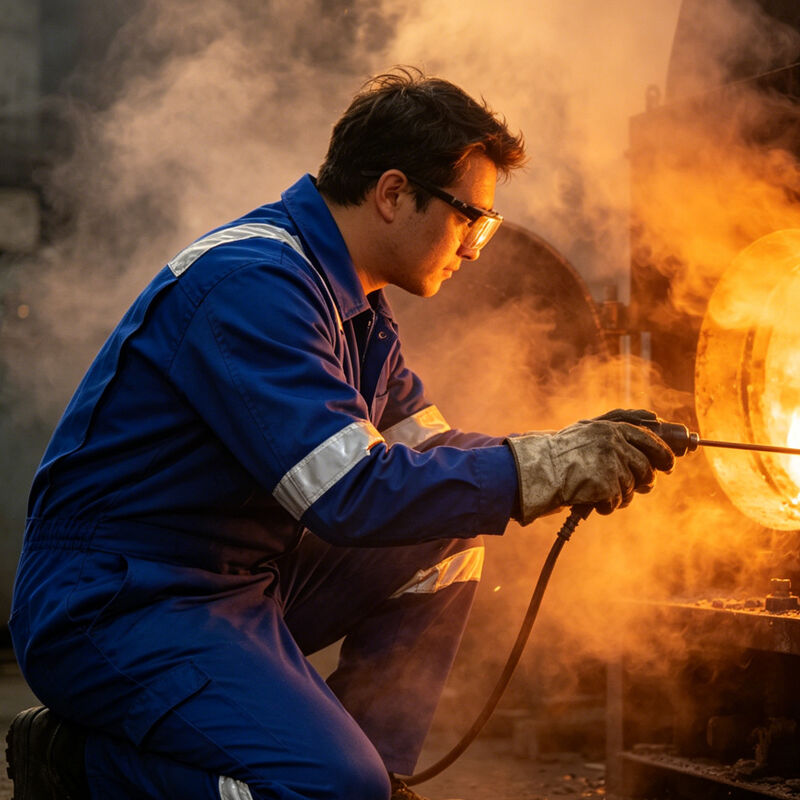
EN 11611 የተለየ የአውሮፓ መደበኛ ነው ለእሳት የሚቋቋም የስራ አልባሳት የሚጠቀሙ በወልዲንግ እና ተያያዥ ሂደቶች ውስጥ። ይህ መደበኛ ጠንካራ ፈተና ደረጃዎችን ያስቀመጣል ለእሳት መስራት፣ ከእሳት በኋላ የሚቀጥለው እሳት፣ ከእሳት በኋላ የሚቀጥለው ቀይ ብርሃን፣ የድንጋይ ቅንጣቢ መፍጠር እና የሞላታ ብረት የሚፈሳ ተችሎነት። ይህ መደበኛ የብሰት አካል ወደ ጎን አይቃጠርም፣ ቅንጣቢ አይፈጥርም ወይም የሞላታ ድrops አይፈጥርም ይላል። ከእሳት በኋላ የሚቀጥለው እሳት እና የሚቀጥለው ቀይ ብርሃን ጊዜ ከሁለት ሰከንድ በላይ አይገድም። በ EN ISO 14116 መሰረት፣ የአፈፃፀም አቀማጠሮች ወደ ክላስ 1 እና ክላስ 2 ይከፈላሉ፣ ሁለቱም ተመሳሳይ ከፍተኛ የእሳት የመከላከል ደረጃ ያስፈልጋሉ። የእሳት የሚቋቋም የስራ አልባሳት የእኛ በተለየ የእሳት የሚቋቋም የብሰት አካላት እና በተጨማሪ የተጠቀሰ የስewing ሕብረተሰዶች በመጠቀም እነዚህን ጥያቄዎች ይሟላል እና ከላይ ያለውን ያስቀመጣል። በጅምላ የንავ ማሽን ማቅረቢያ ፕሮጀክት አንድ ውስጥ፣ የ EN 11611 የተስረቀ የአልባሳት ምርቶቻችን የእሳት ጉዳቶችን በከፍተኛ ሁኔታ ቢቀንስም እና በቦታው የተገለጸ የደህንነት ፈተናዎችን በተሳካ ሁኔታ አልፎ ነው። ይህ መደበኛ የአልባሳት አፈፃፀም በተለዋዋጭ የወልዲንግ ምስክር ምስክር፣ የስፕሌተር እና የአጭር ጊዜ የእሳት የመገናኘት ሁኔታ ውስጥ በተረጋጋ ሁኔታ ይሰራል ይላል።
የEN 11612 ዋና የተገለጹ የግንባታ መስፈርትዎች ለእሳት የሚቋቋም የስራ አውሮፕላን
EN 11612 የአውሮፓ የሙሉ የእሳት ተከላካይ ስራ የልብስ የተለየ የአውሮፓ መደበኛ ነው፣ ይህ የጠንካራ ኢንዱስትሪ ዘርፎች ውስጥ ለሙቀት እና ለእሳት የሚያስከብር ጥበቃ ነው። ይህ መደበኛ የማሰባሰብ ሙቀት፣ የማስተላለፍ ሙቀት፣ የመገናኛ ሙቀት እና የሞለቴን ብረት የሚፈስፍስ ክፍሎች ከመጠበቅ ጋር የተያያዘ ነው። ይህ መደበኛ የፊደል ኮድ ስርዓት ይጠቀማል፡ A የተወሰነ የእሳት መስራት (ያስፈልጋል)፣ B የማሰባሰብ ሙቀት፣ C የማስተላለፍ ሙቀት፣ D የሞለቴን አልዩሚኒየም፣ E የሞለቴን አይረን እና F የመገናኛ ሙቀት። ለማሟላት፣ የልብስ አካላት በተጨማሪ አንድ የሌላ ፈተና ያስፈልጋል። የእኛ የእሳት ተከላካይ ስራ የልብስ የተለየ የእሳት ጥበቃ ደረጃዎችን የሚሰጠ ነው፣ ይህ የተለያዩ የደንግ ሁኔታዎችን ያስተዳድራል። የחומרים መጠን በ180°C የተለመደ በISO 17493 መሰረት የተፈተነ ነው፣ እና የተገጣጠመ መጠን 5% (የተዋቀረ) ወይም 5% ነው። የሙቀት ተከላካይ አካላት እና የኤርጎኖሚክ ዲዛይን የጥበቃ እና የተሻለ አስተዋጽኦ ያስተዳድራሉ ለረጅም ስራ ጊዜ። EN 11612 የሚያረጋግጥ የሚሆነው የንጹህ አይዝ እና የጋዝ፣ የሜታል ምርት እና የማሽን ምርት ዘርፎች ውስጥ የሚጠቀም ነው።
እንዴ የእኛ ባለ እሳት ተከላካይ ስራ አልባሳት ሁለቱንም ደረጃዎች ይሟላሉ
የእኛ የእሳት ተቃውሞ ያለው የስራ አልባሳት ከመጀመሪያ ጀምሮ ለ EN 11611 እና EN 11612 ሁለቱንም የአውሮፓ መደበኛዎች ለማሟላት ተዘጋጅቷል፣ ከፍተኛ ውጤታማነትን ጋር የተዋሃድ የስራ አቀጣጠል እና የሚቆይ የስራ አልባሳት ይሰጣል። የእኛ ከፍተኛ ጥራት ያለው የተገነቡ ወይም በረጅም ጊዜ የእሳት ተቃውሞ ያለው የብረት አካል የሚያስተዳድር የብረት አካል ይጠቀማል፣ እነዚህ የብረት አካሎች በተደጋጋሚ የኢንዱስትሪ ማጠናከር በኋላ የእሳት ተቃውሞ የሚያስተዳድሩ ናቸው። ሁሉም የአልባሳት ግንድ፣ ገመድ፣ የዝፕር እና የማያያዝ አካላት የእሳት ተቃውሞ ናቸው ለማስተዳደር የተበላሽ ነጥቦችን ለመከላከል። እያንዳንዱ ቡና በእሳት መስራት፣ ትኩረት ተቃውሞ እና የተበላሽ ተቃውሞ ለማረጋገጥ በላብ ይፈትሸዋል። የምስክር ወረቀቶች የሙሉ ተስፋ የሚሰጠው የአውሮፓ መደበኛዎችን ይረጋግጋሉ። የእኛ የዲዛይን ቡድን የአየር ማስገቢያ፣ የቅርጽ ተነሳሽነት እና የስራ አልባሳት የሚገባውን ቅርጽ ያሻሽላል ለማረጋገጥ የተደጋጋሚ መጠቀም። በወልድ ስራ፣ ብረት እና የፔትሮքเคมካል ዘርፎች ውስጥ ያሉ ደንበር የእኛ የተስፋ የተሰጠው የእሳት ተቃውሞ የስራ አልባሳት ለተረጋገጠ ቀድሞ የስራ ጥበቃ ይተማል። የጥራት ጥናት በጥንቃቄ የተሰራ ስለ መኖሩ እያንዳንዱ የአልባሳት አካል የተስፋ የተሰጠውን እና የተስፋ የተሰጠውን ውጤታማነት ይሰጣል።
የተ стандарታይዱ የእሳት ተቃውሞ የስራ አልባሳት ረጅም ጊዜ የሚቆይ የደህንነት እና የስታንዳርድ አፈፃፀም ዋጋ
የእሳት የሚቋቋም የስራ አውሮፕላን ማረጋገጫ በEN 11611 እና EN 11612 የተደረገ መርህ መምረጥ ለቢዝነስ እና ለሰራተኞች የረጅም ጊዜ ዋጋ ይሰጣል። የዚህ መርህ አፈፃፀም የአደጋ እድሎችን ያቀንሳል፣ የባለብዙ ተግባር ኪዳን ወጪዎችን ያቀንሳል እና የመንግስት የማስተዋወቅ ፋይል ማስተዋወቅን ያስተዋውቃል። የከፍተኛ ጥራት ያለው የበላይነት አውሮፕላን የሰራተኞች ምክንያታዊ ስሜትን ያሻሽላል፣ የሰራተኞች ምቀትን ያቀንሳል እና የកርፖሬት የደህንነት ባህልን ያጠናክራል። የእኛ ሙሉ የማረጋገጫ መስመር የማስተዋወቅ ሂደቶችን ያቃወማል እና በዓለም ዙሪያ ያሉ የደንበኞች ጥያቄዎችን ይሙላል። በረጅም የስራ ጊዜ እና በተስተካከለ performance ላይ የተመሰረተ የእኛ የስራ አውሮፕላን የተጠቀመ የጠቅላላ ወጪ ዝቅ ያደርጋል። በሙሉ የቴክኒካዊ ድጋፍ እና በተለየ ሁኔታ የተዘጋጀ መፍትሄዎች ከጠቅላላ ድጋፍ ጋር፣ የእኛ ኢንተርፕራይዞች የስራ ቦታ የደህንነት ጥበቃን የሚገነቡ ናቸው። ለማንኛውም ድርጅት በከፍተኛ ሙቀት ወይም በእሳት የሚያስከትል አደጋ ያለው ቦታ ላይ የEN የተረጋገጠ የእሳት የሚቋቋም የስራ አውሮፕላን በቀጥታ የደህንነት መሣሪያ ብቻ አይደለም— እሱ የደህንነት፣ የማረጋገጫ እና የስራ ጥራት ጥበቃ ላይ የሚደረገ መሰረታዊ ኢንቨስትመንት ነው።