
 EN
EN


Head protection is one of the most important parts of personal protective equipment (PPE) in construction, manufacturing, maintenance, and industrial workplaces. Workers in these environments may face different hazards, including falling objects, impact risks, electrical exposure, and unexpected workplace accidents.
A properly selected industrial safety helmet can help reduce the severity of head injuries by absorbing impact energy and providing protection against specific workplace hazards. However, not all safety helmets are designed according to the same requirements. Different regions and industries may follow different helmet standards depending on their safety regulations and working conditions.
Among the most recognized industrial helmet standards worldwide, EN 397 and ANSI Z89.1 are commonly referenced by companies when selecting protective headgear.
EN 397 is widely used in European markets for industrial safety helmets, while ANSI Z89.1 is commonly applied in North America for industrial head protection. Both standards aim to improve workplace safety, but they use different classification systems and testing approaches.
Understanding the differences between these standards helps companies select helmets that better match their actual working environments rather than choosing products only based on appearance or certification labels.
What Is the EN 397 Safety Helmet Standard?
EN 397 is one of the most widely recognized European standards for industrial safety helmets. It defines requirements and testing methods for helmets used in workplaces where workers may experience mechanical hazards such as falling objects and impact risks.
Safety helmets tested according to EN 397 are evaluated for essential performance requirements, including shock absorption and resistance to penetration. Depending on the product design and certification, additional optional properties may also be evaluated, such as resistance to low temperatures, high temperatures, lateral deformation, or electrical characteristics.
For construction workers, factory operators, maintenance technicians, and other industrial users, EN 397 helmets provide a basic level of head protection suitable for many general workplace applications.
However, selecting an EN 397 helmet should still be based on the actual workplace conditions. Different environments may require additional protection features depending on the type of hazards present.
What Is the ANSI Z89.1 Safety Helmet Standard?
ANSI Z89.1 is a commonly referenced industrial head protection standard in North America. It establishes performance requirements and classification methods for protective helmets used in workplaces where workers may encounter impact hazards and electrical risks.
One important feature of ANSI Z89.1 is its classification system, which separates helmets according to impact protection type and electrical protection class.
Type I helmets are designed to reduce impact forces from blows to the top of the head. Type II helmets provide protection against impacts from both the top and sides of the head, making them suitable for environments where lateral impact risks may exist.
The electrical protection classification includes Class G, Class E, and Class C helmets. Class G helmets provide general electrical protection, Class E helmets are designed for higher electrical protection requirements, and Class C helmets are not intended to provide electrical protection.
This classification system allows safety managers to choose helmets based on the specific hazards present in their workplace instead of applying a single solution to all working conditions.
Key Differences Between EN 397 and ANSI Z89.1 Helmets
Although EN 397 and ANSI Z89.1 both focus on industrial head protection, they differ in their testing methods and classification approaches.
The most important difference is the way each standard defines helmet performance requirements. EN 397 mainly focuses on industrial safety helmets commonly used in European workplaces, while ANSI Z89.1 provides a classification system that separates impact protection and electrical protection requirements.
ANSI Z89.1 Type II helmets include lateral impact protection, which addresses impacts from different directions around the helmet. This feature is especially important in environments where workers may experience side impacts or more complex accident situations.
Because the two standards are developed for different regulatory environments, companies operating internationally should carefully evaluate which standard is required for their specific market and application.
A helmet that meets one standard should not automatically be considered equivalent to another standard without reviewing the detailed certification requirements.
How to Choose the Right Industrial Safety Helmet
Selecting a suitable safety helmet requires more consideration than simply checking whether a product has passed a standard test.
The first consideration is the workplace hazard. Construction sites, manufacturing facilities, electrical maintenance areas, and industrial production environments may involve different risks. A helmet used in a general construction environment may have different requirements from one used near electrical equipment.
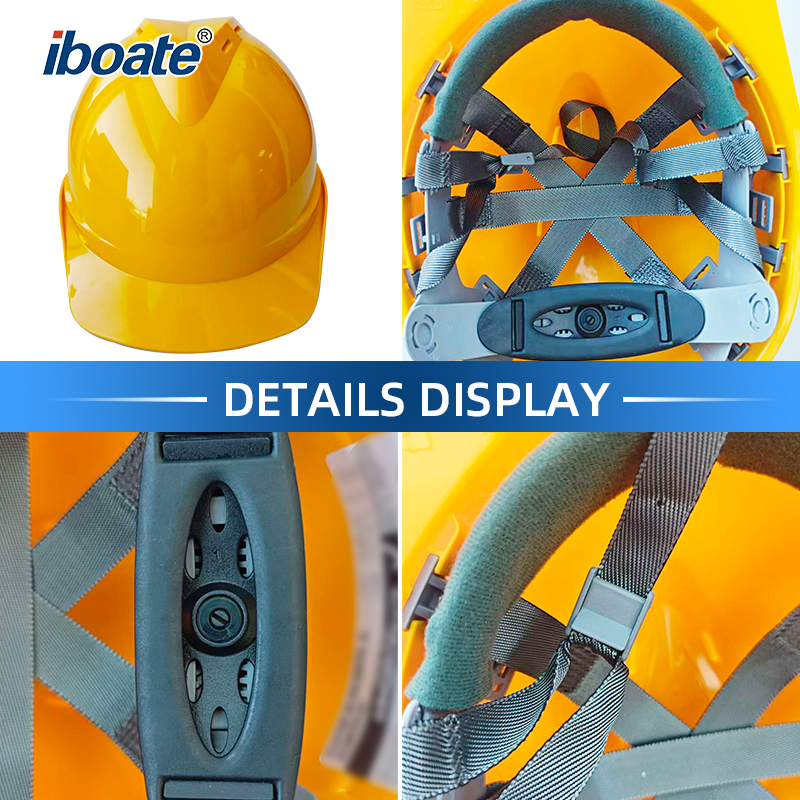
Comfort and fit are also important factors. Workers often wear safety helmets for many hours during daily operations. A helmet with poor adjustment, uncomfortable suspension, or excessive weight may affect user acceptance and reduce consistent usage.
A reliable industrial safety helmet should provide stable wearing performance while allowing workers to complete their tasks comfortably.
Material durability is another important consideration. Industrial helmets may be exposed to sunlight, dust, temperature changes, and daily wear. High-quality materials and controlled manufacturing processes help maintain product reliability over time.
The Importance of Helmet Design and User Experience
Modern safety helmet design is increasingly focused not only on protection performance but also on usability.
Traditional industrial helmets were mainly designed around basic impact protection. However, modern workplaces often require helmets that support additional functions, such as improved ventilation, accessory compatibility, better adjustment systems, and increased wearing comfort.
A helmet that workers find comfortable and practical is more likely to be worn correctly and consistently.
For companies managing large industrial teams, user acceptance is an important part of safety management. Protective equipment only provides value when employees use it properly during daily operations.
Safety Helmet Standards and Global Industrial Applications
International companies often need to understand different helmet standards because workplace requirements may vary by region.
European customers may commonly request EN 397 certified helmets, while customers in North America may require ANSI Z89.1 compliant products. The correct choice depends on local regulations, industry requirements, and workplace risk assessments.
For global PPE suppliers, understanding these differences is essential for providing suitable solutions for different markets.
Manufacturers should also provide clear product information, including applicable standards, protection classifications, material specifications, and recommended applications.
Building Safer Workplaces with Reliable Safety Helmet Solutions
Safety helmets are a fundamental part of workplace protection systems. However, effective head protection depends on choosing the right product for the right application.
Understanding the differences between EN 397 and ANSI Z89.1 helps companies make better purchasing decisions and select helmets that match their operational requirements.
IBOATE focuses on providing professional industrial safety equipment solutions for customers worldwide. Through product development, quality management, and attention to workplace requirements, IBOATE supports companies seeking reliable safety helmets and protective equipment.
A high-quality safety helmet is not simply a protective product. It is an important part of a complete workplace safety strategy that helps companies protect employees while improving operational confidence and efficiency.
Table of Contents
- What Is the EN 397 Safety Helmet Standard?
- What Is the ANSI Z89.1 Safety Helmet Standard?
- Key Differences Between EN 397 and ANSI Z89.1 Helmets
- How to Choose the Right Industrial Safety Helmet
- The Importance of Helmet Design and User Experience
- Safety Helmet Standards and Global Industrial Applications
- Building Safer Workplaces with Reliable Safety Helmet Solutions