EN
EN



Learning the Hard Way About Selecting Proper Hand Protection
When I was coordinating field operations for a major maritime maintenance dock, our ground crew faced a huge hurdle during a freezing winter overhaul.
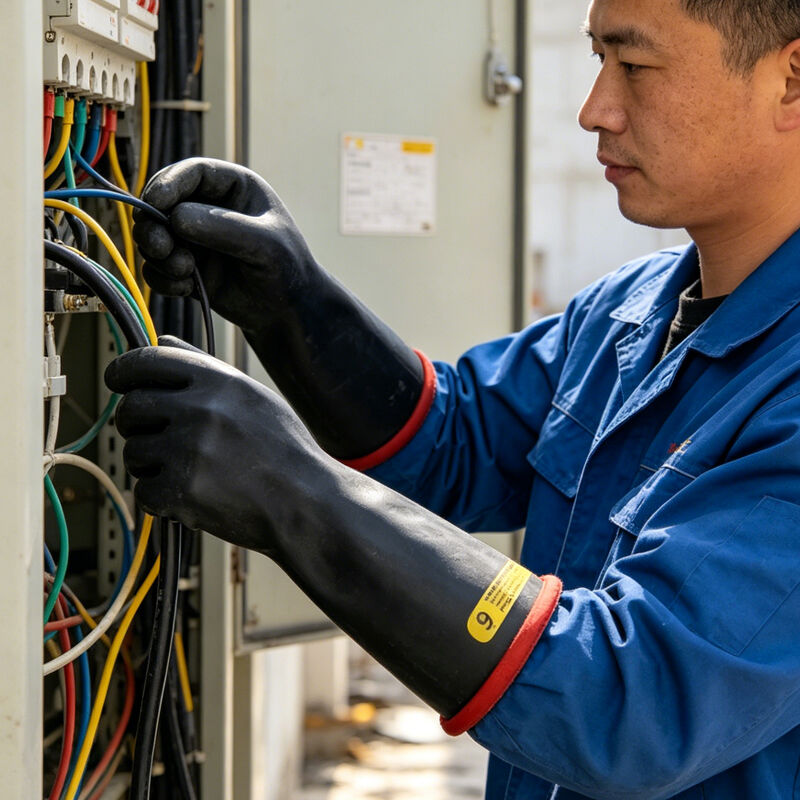
We had teams handling slick, oil-coated rigging steel while others were modifying heavy electrical junction housings on the upper decks.
In an effort to keep things simple, our purchasing department supplied a one-size-fits-all generic work glove for every team member.
Within days, the mechanics handling fine fasteners complained they could not grip anything due to bulky insulation. Meanwhile, the metal workers suffered minor lacerations because the glove material wore through almost immediately.
That stressful operational bottleneck taught me that hand protection is never a one-size-fits-all asset. Choosing the wrong work gloves slows down task execution, increases workplace injuries, and directly compromises your project timeline. Task-specific material selection is non-negotiable for growing industrial organizations.
The Material Engineering and Mechanics of Advanced Hand Barriers
Achieving absolute safety across varied industrial assignments requires a deep dive into textile engineering and material performance criteria.
Selecting the right work gloves involves understanding the exact chemical and physical hazards of the job site.
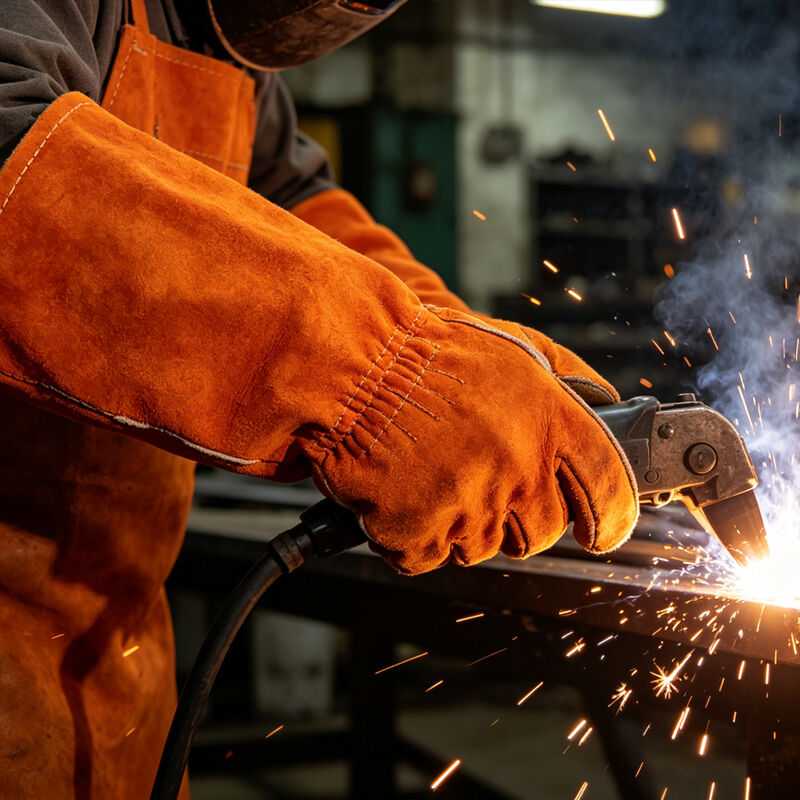
For instance, heavy mechanical work like material handling or structural assembly requires rugged leather or high-performance synthetic fibers. These offer supreme abrasion resistance and tensile durability.
On the other hand, tasks dealing with precision tools or greasy marine hardware require a lightweight, flexible knit shell coated with specialized polyurethane or nitrile compounds.
Materials research experts emphasize that a palm coating behaves differently depending on the environment. A sandy nitrile coating creates a micro-suction effect that excels in oily conditions. A smooth polyurethane layer maximizes tactile sensitivity, allowing operators to handle tiny components flawlessly without sacrificing structural hand security.
Navigating Global Performance Ratings and Quality Compliance Standards
From a strict factory floor safety management and legal liability perspective, deploying hand protection across international job sites requires strict adherence to global regulatory frameworks.
Safety consultants point out that professional work gloves must align with rigid global criteria. These include the European EN 388 standard or the American ANSI/ISEA 105 standard.
These standardized classifications rate a protective glove based on its precise resistance to abrasion, blade cuts, tearing, punctures, and impact forces.
For example, a worker operating a high-pressure metal cutting line requires a high cut-level rating. A logistics warehouse handler might only need a lower, lighter puncture classification.
Partnering with a specialized enterprise supplier that manufactures fully certified safety gear ensures your organization easily passes unexpected regulatory inspections. This keeps your cross-border projects legally compliant and completely safe worldwide.
Balancing Rugged Structural Defense with All Day Wearer Ergonomics
In demanding industrial spaces like maritime shipping, commercial construction, and offshore engineering, a work glove must be durable enough to withstand extreme friction without causing user exhaustion.
When auditing your inventory for dependable hand protection, site supervisors should focus heavily on the internal fit and breathability of the knit shell.
Industrial textiles researchers note that using ergonomic, seamless liners with a gauge of 13 or 15 significantly prevents skin irritation and reduces hand fatigue during long ten-hour shifts. Gauge refers to the number of knitting needles per inch; a higher gauge means finer, more flexible liners.
Furthermore, premium work gloves incorporate breathable fabric formulations on the back of the hand. This optimizes airflow and channels sweat away from the skin.
This careful design ensures that field crews stay cool in humid climates, directly boosting overall workplace compliance because laborers are happy to keep their hand protection on throughout the day.
Enhancing Long Term Project Throughput and Team Safety Culture
Investing in task-specific hand protection does more than prevent cuts and abrasions. It directly accelerates job completion by allowing each worker to move confidently and efficiently.
When your crews step onto a hazardous construction site or a wet cargo deck wearing clean, properly fitted, and fully compliant work gloves, they experience fewer unnecessary stops, re-grips, or glove changes.
This practical reliability translates into measurable gains in daily throughput. Fewer minor injuries mean fewer hours lost to first-aid reports and shift adjustments.
Moreover, equipping teams with glove types matched to their actual tasks sends a powerful message: management pays attention to the details that make work safer and smoother.
By eliminating worn-out, slippery, or uncertified hand protection, you reduce insurance claims and keep your project deadlines firmly on track. A well-chosen glove program builds worker confidence from the fingertips up, reinforcing a safety culture that values both protection and productivity.