EN
EN



Core Challenges of Hand Protection on Construction Sites
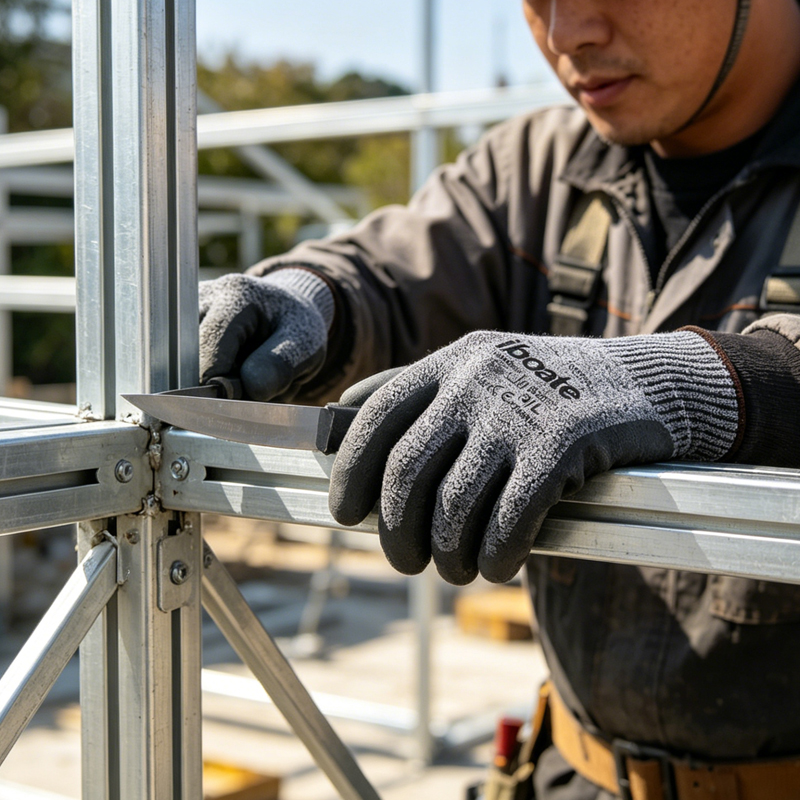
Working in industrial construction exposes workers to a wide range of hidden risks every single day. Laborers often handle rough building materials, sharp metal parts and heavy tools across outdoor and indoor work zones. Common injuries include abrasions, cuts, punctures and occasional contact with chemical substances such as cement, solvents and rust removers. Many construction managers have shared real experiences that ordinary household gloves or low grade protective gloves fail to hold up under harsh construction conditions. These basic products tear easily after short term use, lose structural strength when exposed to chemicals, and cannot provide reliable defense against sharp edges. Some gloves also limit finger flexibility, which slows down work progress and affects operational accuracy. Every construction team needs hand protection that balances durability, flexibility and multi-hazard resistance. Understanding these daily pain points is the first step to picking practical industrial construction gloves that fit real job requirements.
Global Certification Standards and Core Material Advantages
Trusted industrial construction gloves must follow internationally recognized safety standards to guarantee consistent performance across different regions. Industry experts point out that EN 388:2016 specifies a 6-digit performance code, with the first four digits mandatory (abrasion 1-4, cut 1-5, tear 1-4, puncture 1-4), the fifth optional TDM cut level (A-F), and the sixth optional impact protection (1-3) — enabling purchasers to precisely identify the protection level required for each job task. For sites involving chemical contact, products need to pass EN 374 certification, which covers multiple test dimensions. The Type A/B/C classification is based solely on permeation test results (Type A requires ≥6 chemicals with permeation level ≥2, Type B ≥3, Type C ≥1), providing clear reference for painting and chemical exposure scenarios. Additionally, there are degradation tests and microbial protection tests (EN 374-5); the latter is mainly for medical/lab scenarios and does not participate in the Type classification for chemical-resistant gloves. Top tier construction gloves adopt premium materials like high strength nitrile, reinforced synthetic leather and thick blended fabrics. Nitrile materials stand out for strong resistance against oil, acid and alkali, while reinforced stitching on finger joints and palm areas greatly extends service life. Professional manufacturers conduct repeated tests to ensure gloves maintain softness and elasticity even after long hours of use. All products have been tested and comply with CE certification requirements; for North American projects, they also meet ANSI/ISEA 105 standard for hand protection. Every material selection and structural design targets the unique hazards of construction environments, ensuring each pair delivers stable protection in complex worksites.
Targeted Solutions for Different Construction Job Roles
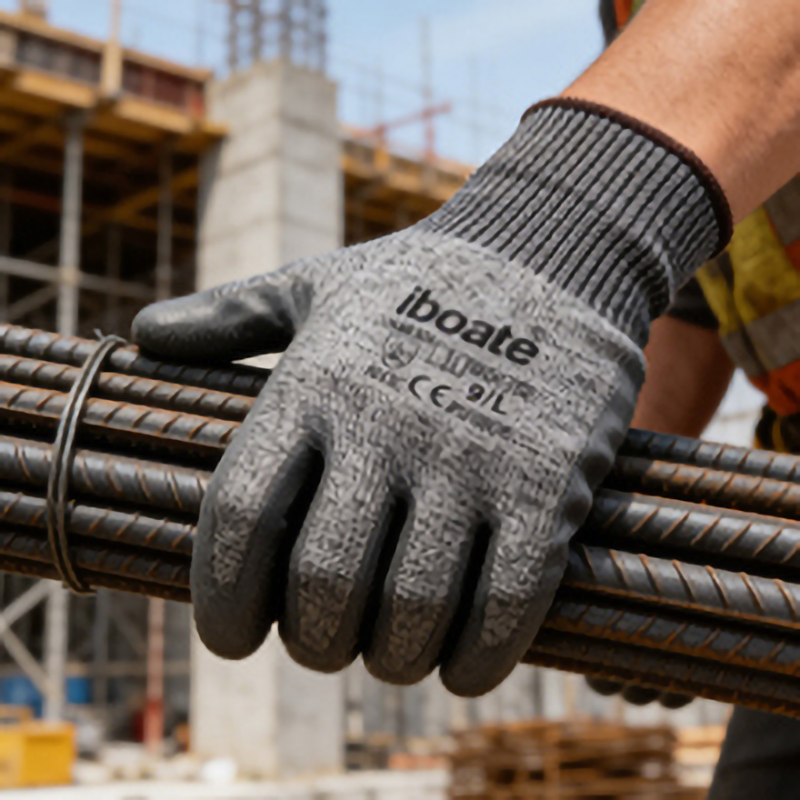
Different positions on construction sites carry unique risks, so one-size-fits-all gloves can never meet diverse demands. For general laborers who carry bricks, concrete and steel materials, thick abrasion resistant gloves with anti-slip textures work best to reduce wear from frequent friction. For rebar workers who face high-frequency puncture risks from exposed steel bars, we offer gloves with thickened palm pads and reinforced fingertip protection specifically engineered to resist penetrating forces. For electrical construction teams, insulated gloves are provided with distinct voltage protection ratings from Class 00 (up to 500V AC) to Class 4 (up to 36,000V AC), enabling precise selection based on actual circuit conditions. Welders and metal processing staff need gloves with flame-retardant shells and resistance against molten metal splashes; key parameters include the material's limiting oxygen index and anti-droplet performance under high-temperature exposure. Workers in renovation and paint related areas require chemical resistant gloves with EN 374 Type A/B/C classification clearly specified to block solvents and corrosive liquids. Teams engaged in electrical construction also need specially insulated gloves to prevent electric shock risks. Based on long term cooperation with global construction clients, tailored glove solutions can adjust material thickness, grip design and protection levels according to specific job tasks. Enterprises can also add custom logos or team marks on gloves in non-critical areas without compromising the protective surface or palm grip zone to unify staff appearance and strengthen on-site management. These targeted designs turn general protection into role-specific safety support for every worker.
Practical Application Cases and Verified Field Performance
Real world projects fully prove the value of professional construction glove solutions. A large infrastructure construction group once struggled with frequent glove replacement and minor hand injuries among frontline workers. After switching to standardized certified industrial gloves, the company noticed obvious changes within two months. The frequency of glove replacement dropped significantly and the number of hand-related work injuries decreased by a large margin. Workers also reported better comfort and flexibility, allowing them to finish tasks more efficiently. Another case comes from an international engineering enterprise with projects spread across multiple continents. It needed gloves that could meet different regional safety certification rules. Fully compliant products smoothly passed all local inspections and helped the company avoid compliance risks during project operations. In addition, a shipyard adopted cut-resistant gloves with EN 388 Level 5 cut protection to handle heavy steel cable operations; a chemical plant contractor switched to EN 374 Type A chemical-resistant gloves for exposure to mixed solvents; and a bridge construction team in coastal areas introduced corrosion-resistant gloves with anti-salt-spray treatment to prevent premature degradation. These practical cases show that investing in qualified construction gloves is an effective way to improve site safety and reduce operational losses.
Economic Benefits and Long Term Operational Value
High quality industrial construction gloves bring remarkable long term economic returns for construction enterprises. Durable certified gloves have longer service cycles, which cut down repeated procurement costs for large teams. Using products that meet official safety standards also helps construction companies pass regular safety audits and regulatory checks, avoiding fines or work stoppages caused by unqualified protective equipment. Safe working conditions effectively lower work-related injury compensation and medical expenses, creating a more stable operational environment. A well-protected workforce also boosts overall work efficiency and team morale. In the highly competitive construction industry, detailed safety arrangements such as standard hand protection can enhance corporate reputation and win more cooperation opportunities. More and more construction operators now regard professional PPE configuration as a necessary investment rather than a simple operational expense.
Comprehensive Production Capacity and Global Service Support
Complete product solutions rely on solid manufacturing strength and mature supply chain services. Iboate owns multiple large scale production bases and maintains efficient manufacturing systems to deliver large orders with steady and uniform quality. The brand offers full services including customized design, sample production, bulk manufacturing and global logistics, which shortens delivery time for clients with urgent project demands. The professional team provides complete certification documents, test reports and remote technical guidance, helping construction clients navigate complex international trade and regulatory barriers. With more than twenty years of experience in the PPE industry, Iboate keeps optimizing glove designs by collecting feedback from construction sites worldwide. From product selection to after sales support, the full set of services ensures that industrial construction glove solutions operate reliably for long-term construction projects around the globe.