
 EN



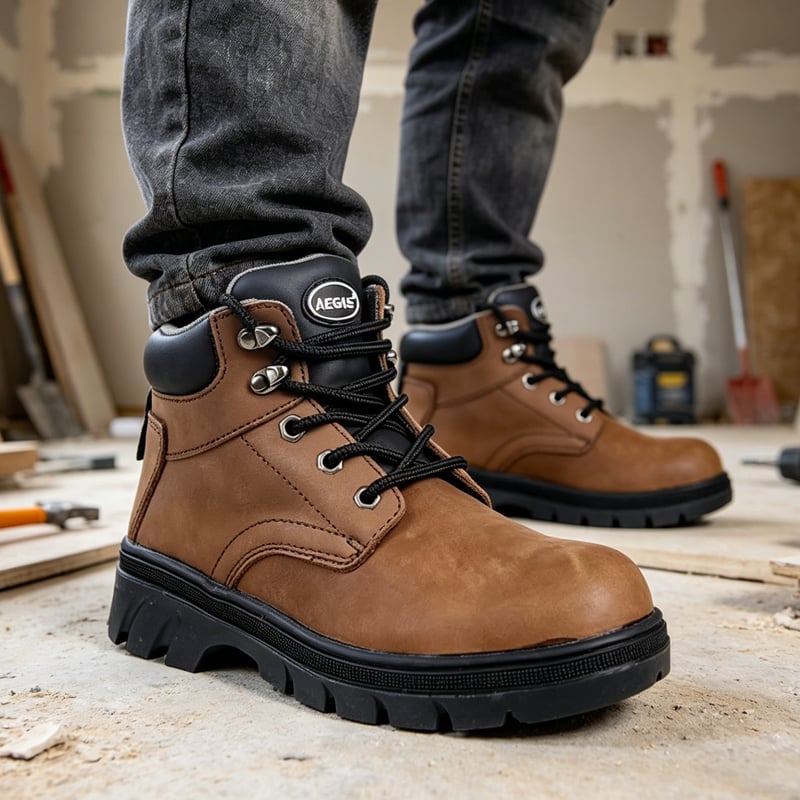
How to Choose Safety Shoes for Construction and Mining: Standards, Protection Features, and Hazard Matching
Choosing the right safety shoes for construction and mining requires more than selecting a pair with a reinforced toe. Different working environments expose employees to multiple hazards, including falling objects, sharp materials, electrical risks, slippery surfaces, and extreme weather conditions.
A properly selected pair of safety shoes should match the specific risks of the job while complying with recognized standards such as ASTM F2413 and EN ISO 20345. Understanding protection features—including toe caps, puncture-resistant soles, electrical protection, and slip-resistant outsoles—helps safety managers choose footwear that improves both worker protection and long-term comfort.
Identify Core Hazards and Match Them to Essential Safety Shoe Features
Before purchasing safety footwear, companies should conduct a workplace hazard assessment. Construction sites, mining operations, and industrial facilities often involve multiple risks at the same time. A safety shoe designed for one hazard may not provide adequate protection against another.
Key factors to evaluate include:
- Risk of falling objects or heavy equipment impact
- Exposure to sharp materials such as nails, metal fragments, or rocks
- Electrical hazards
- Wet, oily, or uneven surfaces
- Extreme heat or cold conditions
Matching these hazards with the correct footwear features ensures workers receive protection without unnecessary weight or reduced mobility.
Toe Protection: Steel Toe vs. Composite Toe Caps for Impact Hazards
Toe injuries are among the most common workplace foot injuries, especially in construction, manufacturing, and mining environments. Safety toe caps are designed to protect against falling objects and compression forces.
Steel toe caps remain one of the most widely used solutions because of their proven durability and impact resistance. Footwear certified under ASTM F2413 must meet specific impact and compression requirements, including:
- Impact resistance rating (I/75)
- Compression resistance rating (C/75)
Steel provides excellent protection and is often preferred for heavy-duty applications such as material handling, structural construction, and mining.
However, steel toe shoes also have limitations. Steel is heavier than alternative materials and can transfer temperature more easily, which may reduce comfort in extremely cold or hot environments.
Composite toe caps use non-metal materials such as fiberglass, carbon fiber, or advanced polymer composites. They provide comparable impact protection while offering several advantages:
- Reduced weight
- Better thermal insulation
- Non-metal construction for security-sensitive workplaces
Composite toe safety shoes are commonly used in environments involving metal detectors, electrical work areas, or workers who require lighter footwear for extended shifts.
The best choice depends on the working environment. Steel toe shoes remain a reliable option for heavy-impact applications, while composite toe designs provide greater comfort and insulation benefits.
Puncture Resistance and Metatarsal Protection Against Ground-Level Hazards
Construction and mining workers frequently encounter sharp objects such as nails, metal fragments, drill pieces, and rock debris. Standard safety toe protection does not protect the bottom of the foot, making puncture-resistant midsoles an important feature in hazardous environments.
Puncture-resistant layers are typically made from:
- Steel plates
- Non-metal composite materials
- High-strength textile inserts
According to ASTM F2413 requirements, puncture-resistant footwear must pass standardized penetration tests to verify that the sole can resist sharp-object penetration.
Non-metal puncture-resistant inserts are increasingly popular because they provide:
- Greater flexibility
- Reduced weight
- Improved underfoot comfort
For mining, demolition, and heavy construction, additional metatarsal protection may also be required. Metatarsal guards protect the upper area of the foot from severe impact caused by falling tools, machinery components, or heavy materials.
When selecting footwear, companies should determine whether hazards exist only below the foot or also above the toe area. Workers handling heavy equipment or working around suspended loads may require additional metatarsal protection.
Electrical Hazard (EH) and ESD Protection for Electrical Environments
Electrical protection is another important consideration when selecting safety footwear.
Electrical Hazard (EH) Footwear
EH-rated footwear provides secondary protection against accidental contact with energized electrical circuits. Under ASTM F2413, EH footwear is tested to withstand high-voltage exposure under controlled laboratory conditions.
EH footwear is designed to reduce the possibility of electrical current passing through the footwear to the wearer. However, it should never replace proper electrical safety procedures such as:
- Lockout/tagout procedures
- Voltage testing
- Insulated tools
- Proper electrical training
EH-rated shoes are commonly used by electricians, maintenance workers, and technicians working near electrical systems.
Electrostatic Dissipative (ESD) Footwear
ESD footwear serves a different purpose. Instead of insulating against electrical current, it helps safely control static electricity by allowing small electrical charges to dissipate gradually.
ESD protection is important in environments such as:
- Electronics manufacturing
- Semiconductor production
- Explosive or sensitive material handling areas
EH and ESD are different protection categories, but some footwear models may combine multiple protective features depending on their certification.
The correct choice depends on whether the primary concern is electrical shock prevention or static control.
Verify Compliance with Safety Footwear Standards
Safety footwear standards provide a reliable way to compare protection levels between different products. Two widely recognized systems are ASTM F2413 in North America and EN ISO 20345 internationally.
Understanding ASTM F2413 Markings for Safety Shoes
ASTM F2413 certification confirms that footwear meets specific protective performance requirements.
Common markings include:
- I/75 – Impact protection
- C/75 – Compression protection
- EH – Electrical hazard protection
- PR – Puncture resistance
- Mt – Metatarsal protection
For example, a marking such as:
ASTM F2413 I/75 C/75 EH PR
indicates that the footwear has been tested for impact, compression, electrical hazard protection, and puncture resistance.
Workers and safety managers should always check the certification label inside the footwear. Terms such as “steel toe” or “work boot” alone do not confirm compliance with ASTM requirements.
EN ISO 20345 Safety Classes: S3, S6, and S7 Explained
EN ISO 20345 is widely used internationally to classify safety footwear based on required protection features.
Common categories include:
S3 Safety Shoes
S3 is one of the most commonly selected classes for construction applications. It typically includes:
- Protective toe cap
- Energy absorption in the heel area
- Water-resistant upper
- Penetration-resistant midsole
- Slip-resistant outsole
S3 footwear is suitable for general construction, outdoor work, and mixed weather environments.
S6 Safety Shoes
S6 footwear builds on S2 protection with additional water resistance testing. It is designed for environments where workers frequently encounter wet conditions.
Typical applications include:
- Outdoor construction
- Utility maintenance
- Wet industrial areas
S7 Safety Shoes
Under EN ISO 20345:2022, S7 footwear combines S6-level water protection with penetration resistance.
It is suitable for environments requiring stronger protection against:
- Wet conditions
- Sharp objects
- Ground penetration hazards
Additional features such as metatarsal protection (Mt), cut resistance (CR), or heat-resistant outsole (HRO) are separate markings and should be selected according to specific workplace hazards.
Optimize Safety Shoe Performance for Different Working Environments
Beyond certification, real-world performance depends heavily on outsole design, waterproofing, comfort, and durability.
Outsole Design for Slip Resistance on Mud, Oil, and Wet Surfaces
Slips and falls remain a major workplace safety concern. Safety shoes used in construction and mining should provide reliable traction across changing surfaces.
Important outsole features include:
Deep Lug Patterns
Deep tread designs improve grip on:
- Mud
- Gravel
- Uneven ground
They also help prevent debris from becoming trapped under the sole.
Oil- and Water-Resistant Rubber Compounds
Specialized rubber compounds improve traction on:
- Wet concrete
- Metal surfaces
- Industrial floors
Slip resistance should always be evaluated based on manufacturer testing results and the actual workplace environment.
A boot designed for muddy outdoor terrain may not provide the same performance on oily factory floors, so application-specific selection is essential.
Waterproofing, Heat Resistance, and Comfort for Extreme Conditions
Construction and mining workers often operate in challenging environments where moisture, heat, and long working hours affect footwear performance.
Water-resistant safety shoes help protect against:
- Rain
- Mud
- Groundwater exposure
For high-temperature environments such as asphalt work or welding areas, footwear with heat-resistant outsole properties may be required. EN ISO 20345 includes the HRO marking for outsoles tested against contact heat resistance.
Comfort features are also important because uncomfortable footwear can reduce compliance. Recommended features include:
- Cushioned insoles
- Breathable linings
- Shock-absorbing midsoles
- Proper arch support
A safety shoe that workers are willing to wear consistently provides better protection than one that is removed because of discomfort.
FAQ
What hazards do safety shoes protect against?
Safety shoes help protect against hazards such as falling objects, compression forces, sharp materials, electrical risks, and slippery surfaces.
Are composite toe shoes as safe as steel toe shoes?
Yes. Certified composite toe shoes can meet the same impact and compression requirements as steel toe footwear while providing advantages such as lower weight and better thermal insulation.
What is the difference between EH and ESD safety shoes?
EH footwear provides secondary protection against electrical shock hazards, while ESD footwear controls static electricity buildup. They address different workplace risks.
What does ASTM F2413 certification mean?
ASTM F2413 certification confirms that safety footwear has passed standardized tests for protective features such as impact, compression, electrical hazard protection, and puncture resistance.
Is S7 better than S3 safety footwear?
S7 is designed for environments requiring stronger water protection and penetration resistance. However, the best choice depends on the specific workplace hazards rather than the highest rating alone.
How often should safety shoes be replaced?
Replacement depends on usage, workplace conditions, and visible wear. Shoes should be replaced when protective features become damaged, soles wear down, or certification-related components are compromised.
Table of Contents
- How to Choose Safety Shoes for Construction and Mining: Standards, Protection Features, and Hazard Matching
- Identify Core Hazards and Match Them to Essential Safety Shoe Features
- Toe Protection: Steel Toe vs. Composite Toe Caps for Impact Hazards
- Puncture Resistance and Metatarsal Protection Against Ground-Level Hazards
- Electrical Hazard (EH) and ESD Protection for Electrical Environments
- Verify Compliance with Safety Footwear Standards
- Understanding ASTM F2413 Markings for Safety Shoes
- EN ISO 20345 Safety Classes: S3, S6, and S7 Explained
- Optimize Safety Shoe Performance for Different Working Environments
- Outsole Design for Slip Resistance on Mud, Oil, and Wet Surfaces
- Waterproofing, Heat Resistance, and Comfort for Extreme Conditions
- FAQ