
 EN



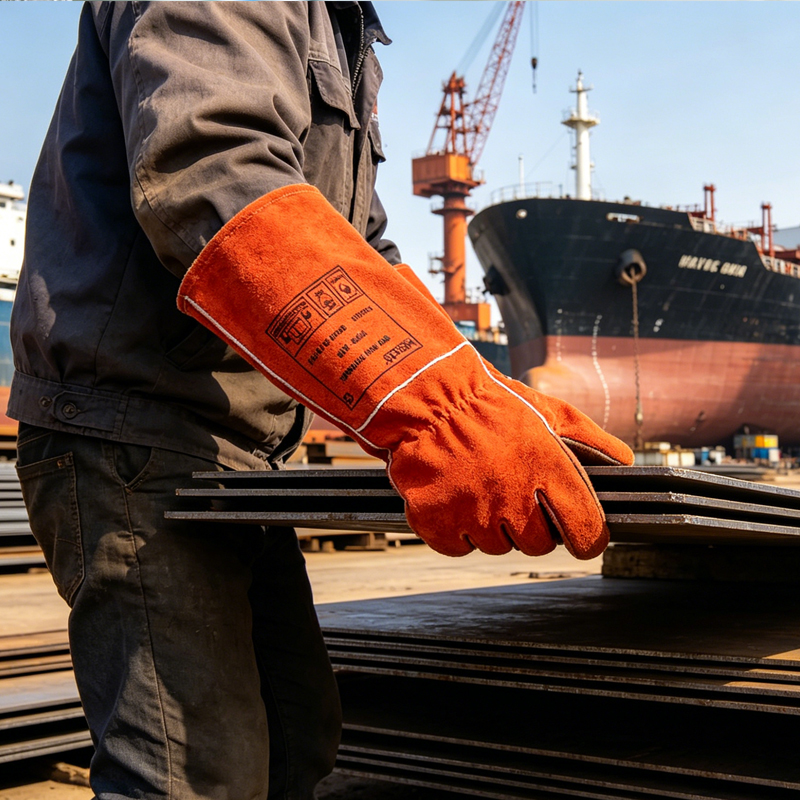
Understanding Cut and Abrasion Standards for Work Gloves
Selecting the right work gloves for construction requires more than choosing the highest protection rating available. Different tasks expose workers to different hand hazards, including sharp metal edges, abrasive surfaces, impact forces, and repetitive material handling. Standards such as ANSI/ISEA 105, EN 388, and ANSI/ISEA 138 provide standardized methods for evaluating glove performance and helping safety managers select appropriate protection.
Understanding these standards allows companies to avoid two common problems: using gloves that provide insufficient protection or selecting overly protective gloves that reduce dexterity, comfort, and productivity.
ANSI/ISEA 105 Cut Levels A1–A9: Understanding Cut Resistance Ratings for Construction Tasks
The ANSI/ISEA 105 standard evaluates glove cut resistance using the TDM-100 test method, which measures the force required for a blade to cut through glove material. The result is expressed in grams, with higher values representing greater resistance to cutting forces.
The ANSI cut resistance scale ranges from A1 to A9. Lower levels are designed for light handling tasks, while higher levels are intended for environments involving severe sharp-edge hazards.
A1 and A2 gloves are typically suitable for light assembly, packaging, and general material handling. A3 gloves are commonly used for general construction activities where workers face moderate cut risks. A4 and A5 gloves are widely selected for applications such as metal fabrication, sheet metal installation, and mechanical work. Higher ratings from A6 to A9 are designed for specialized operations involving extremely sharp materials, heavy metal processing, or high-risk cutting environments.
However, cut resistance should not be considered independently. A glove with a high ANSI cut rating may still require strong abrasion resistance, puncture resistance, or impact protection depending on the application. For construction environments, the best glove choice is the one that balances protection, flexibility, and task requirements.
EN 388 Ratings Explained: Abrasion, Cut, Tear, Puncture, and Impact Protection
EN 388:2016+A1:2018 is one of the most widely recognized standards for mechanical protection gloves. It evaluates multiple performance areas, including abrasion resistance, cut resistance, tear resistance, puncture resistance, and optional impact protection.
The rating is displayed as a series of numbers and letters. Abrasion resistance is rated from Level 1 to Level 4, with Level 4 representing the highest resistance. Tear and puncture resistance are also rated from Level 1 to Level 4.
For cut protection, EN 388 uses two different testing methods:
- The Coupe test, rated from Level 1 to 5
- The ISO 13997 TDM test, rated from A to F
Modern high-performance fibers can affect the Coupe test by dulling the blade, so the ISO 13997 TDM result is often considered the more reliable measurement for advanced cut-resistant gloves.
For example, a glove marked 4X43D indicates high abrasion resistance, no applicable Coupe cut result, strong tear resistance, good puncture resistance, and a TDM cut rating of Level D.
Although EN 388 Level D provides a similar protection range to ANSI A4, the two systems use different testing methods and should not be considered direct equivalents.
For construction applications involving sharp edges and rough materials, buyers should evaluate the complete EN 388 rating instead of focusing only on the cut level.
Material Science Behind Dual-Defense Work Gloves
Modern work gloves use engineered combinations of fibers and coatings to achieve multiple protection benefits. Since no single material provides maximum performance in every category, manufacturers combine different materials to create gloves that offer both safety and comfort.
HPPE, Kevlar®, Stainless Steel Fibers, and Nitrile Coatings: Strengths and Limitations
High-performance polyethylene (HPPE) is widely used in cut-resistant gloves because it provides excellent strength while remaining lightweight and flexible. Advanced HPPE blends can achieve high ANSI cut ratings while maintaining good wearer comfort during extended shifts.
However, HPPE alone does not always provide sufficient abrasion resistance. For this reason, many construction gloves combine HPPE-based liners with durable palm coatings.
Kevlar® and other aramid fibers are valued for their cut resistance and heat stability. They are commonly used in applications where workers face both sharp edges and elevated temperatures. Compared with lightweight synthetic fibers, aramid materials may feel slightly stiffer, which can affect fine-hand movements in precision tasks.
Stainless steel fibers are often integrated into composite yarns to increase cut resistance. These fibers improve blade resistance but may increase glove weight and reduce tactile sensitivity depending on the glove construction.
Nitrile coatings are frequently added to improve abrasion resistance and grip performance. Different coating designs, including foam nitrile and sandy nitrile, provide improved handling performance in dry, wet, or oily environments. However, thicker coatings may reduce breathability and flexibility.
The most effective construction gloves usually combine a cut-resistant liner with a protective coating, creating a balance between durability, grip, and hand movement.
Leather, Cut-Resistant Knits, and Hybrid Designs for Construction Applications
Leather remains one of the most durable materials for construction gloves because of its natural abrasion resistance and ability to withstand repeated friction.
Cowhide gloves are commonly used for heavy-duty handling, framing, and general construction work, while goatskin is often preferred when greater flexibility and tactile sensitivity are required.
However, traditional leather gloves provide limited protection against sharp objects. When workers handle sheet metal, glass, or sharp-edged materials, cut-resistant knitted liners made from HPPE, aramid, or composite fibers provide additional protection.
Hybrid gloves combine multiple materials to address different hazards. A typical design may include:
- A cut-resistant knitted back for protection against sharp edges
- A leather or nitrile-coated palm for abrasion resistance and grip
- Reinforced knuckle areas for impact protection
For drywall installation, workers may prioritize moderate cut protection with good flexibility. For demolition work, stronger abrasion, puncture, and impact protection may be more important.
Matching Work Gloves to Construction Tasks by Hazard Profile
Selecting the Right Cut, Abrasion, and Impact Balance
Different construction tasks require different levels of protection.
Sheet metal handling creates significant cut hazards because thin metal edges can easily penetrate unsuitable gloves. Workers often require gloves with higher cut resistance combined with durable palm protection.
Glass installation requires similar cut protection but also demands reliable grip to prevent accidental drops. Nitrile-coated cut-resistant gloves are commonly selected because they combine protection with handling control.
Rebar and structural steel work create multiple hazards, including sharp edges, abrasion, and impact risks. In these environments, workers should consider gloves with stronger mechanical protection ratings and, where needed, impact protection certified under ANSI/ISEA 138.
General debris handling and material movement usually require balanced protection rather than maximum cut resistance. Over-specifying gloves can reduce dexterity, increase fatigue, and discourage consistent use.
The correct glove selection should always be based on the actual workplace hazard assessment rather than simply choosing the highest available rating.
Maximizing Lifespan and Protection: Inspection, Replacement, and Maintenance
Even high-quality protective gloves gradually lose performance through daily use. Regular inspection helps identify damage before protection levels are compromised.
Before each shift, workers should check gloves for:
- Cuts or tears in the material
- Worn or damaged coatings
- Loose seams
- Reduced grip performance
- Hardened or cracked areas
Gloves exposed to chemicals, extreme temperatures, or contaminated materials may require additional evaluation because some damage can occur internally without obvious external signs.
Proper storage also extends glove service life. Gloves should be kept in a clean, dry environment away from direct sunlight, solvents, and excessive heat. Cleaning should always follow manufacturer recommendations, as improper washing or drying methods can weaken fibers and coatings.
A simple inspection routine—checking appearance, grip, and overall condition before use—helps ensure workers receive the protection level expected from their gloves.
FAQ
What is ANSI/ISEA 105 cut resistance?
ANSI/ISEA 105 measures glove cut resistance using the TDM-100 test method and classifies gloves from A1 to A9 based on the force required to cut through the material.
What does EN 388 measure?
EN 388 evaluates mechanical protection performance, including abrasion resistance, cut resistance, tear resistance, puncture resistance, and optional impact protection.
Which materials are commonly used in cut-resistant work gloves?
Common materials include HPPE, aramid fibers such as Kevlar®, stainless steel blends, and composite yarns. These materials are often combined with nitrile or other coatings for improved durability and grip.
Do construction gloves need impact protection?
For tasks involving crushing hazards, falling materials, or hand impacts, gloves with ANSI/ISEA 138 impact protection certification can provide additional safety.
How should work gloves be maintained?
Workers should inspect gloves before use, store them properly, clean them according to manufacturer instructions, and replace them when damage affects protective performance.
Table of Contents
- Understanding Cut and Abrasion Standards for Work Gloves
- ANSI/ISEA 105 Cut Levels A1–A9: Understanding Cut Resistance Ratings for Construction Tasks
- EN 388 Ratings Explained: Abrasion, Cut, Tear, Puncture, and Impact Protection
- Material Science Behind Dual-Defense Work Gloves
- HPPE, Kevlar®, Stainless Steel Fibers, and Nitrile Coatings: Strengths and Limitations
- Leather, Cut-Resistant Knits, and Hybrid Designs for Construction Applications
- Matching Work Gloves to Construction Tasks by Hazard Profile
- Selecting the Right Cut, Abrasion, and Impact Balance
- Maximizing Lifespan and Protection: Inspection, Replacement, and Maintenance
- FAQ